The Ultimate Guide to Smart Investing in Dubai – 2026
Are you thinking about investing in Dubai?
Honestly, who isn’t these days?
Whether you’ve just moved to the UAE or you’ve been here a while, investing in Dubai feels like the smart thing to do, isn’t it?
But with so many options to choose from, and a world of uncertainty around us…
It’s easy to feel overwhelmed and stuck.
- Should you buy a ready or off‑plan property?
- Start a SIP or a monthly savings plan?
- Invest in passive income assets?
- Buy stocks, bonds, or ETFs?
There’s no one-size-fits-all answer, and Smart investing is not about chasing what is hot !
It’s about knowing what’s right for you.
This guide will help you do just that.
A Proven Framework for UAE Residents to Grow Wealth with Confidence
We’ll walk through:
- The most common mistakes expats make when investing
- What kinds of investments are actually worth considering in Dubai
- How to start with a plan that puts your life goals first
- And how to take your first steps, without pressure or confusion
Let’s start with the biggest traps people fall into.
What common mistakes people do about Investing in Dubai?
Dubai is full of opportunities, and stories of people who made it big.
From real estate wins to off-plan flips, smart investment portfolios, and crypto currency; everyone seems to have a tip or a strategy to share.
But here’s the truth:
What worked for someone else may not work for you.
Following the crowd without a plan is one of the fastest ways to make costly mistakes.
And many expats repeat the same errors over and over again, often leaving a long‑term dent in their finances.
Here are the top 9 mistakes people make when investing in Dubai:
- Concentrating everything in one asset class; such as property, gold, or bank deposits. Simply because it feels safe or familiar.
- Expecting high returns based on someone else’s experience or past market performance, without understanding risk, timing, or suitability.
- Saving far less than they could, usually because they don’t have a working budget or a proper financial plan guiding their decisions.
- Falling for unregulated schemes promising “high and guaranteed returns,” which almost always end badly.
- Investing emotionally, driven by FOMO rather than strategy, research, or long-term thinking.
- Home-country bias, keeping most assets in one market or currency without considering tax exposure, concentration risk, or currency depreciation.
- Over-diversification, spreading money too thin across too many products in an attempt to avoid risk — which often dilutes returns instead.
- Not maintaining an emergency fund, leaving them vulnerable to unexpected expenses and forced withdrawals at the worst possible time.
- Ignoring protection planning, such as life insurance and critical illness cover, which are essential for safeguarding wealth and ensuring continuity.
If you’ve made one or more of the above mistakes, you’re not alone!
Most expats I meet didn’t have a roadmap when they started.
But the good news?
It’s never too late to get on the right path.
What Are Good Investments in Dubai for 2026?
Let’s break it down.
A good investment isn’t just about returns, it’s about alignment with your goals, time frame, and comfort with risk.
Here are the most common investment options in UAE residents;
🏠 Property Investments in Dubai
Dubai’s property market continues to attract global investors, and for good reason. It can be a powerful long‑term asset and an efficient wealth multiplier.
Best for:
- Individuals or couples who plan to stay in Dubai for 5+ years
- Investors who want rental income and long‑term appreciation
- People who can hold through market cycles
What to keep in mind:
- Not every area or project performs the same
- Consider location, rental demand, payment plans, and long‑term supply
- Avoid if you need a personal loan for the down payment
- Avoid if you plan to flip within 1–2 years
👉 Use the Rent vs Buy Calculator to see if buying makes sense for you.
🏗Off-Plan Investments in Dubai
We have seen a boom in the off plan market over the last 3 years and it is getting bigger…
Off-plan sales has hit 54,785 units — up 20.4% YoY – (Source: Gulfnews)
Off-plan deals look attractive, especially with flexible payment plans and low down-payment options. But they also come with uncertainty; like delays or fluctuations in value by the time of handover.
According to Fitch Ratings, Only 97,000 out of the 174,000 projected units were delivered from 2022 to 2024, with a completion rate of 56 per cent. Source: https://www.khaleejtimes.com/
Also there is a strong supply of residential properties in pipeline over the next 4 years, that could disrupt the demand supply dynamics in the short run.
Knight Frank reports that 302,880 residential units are currently under construction, set for completion by 2029. This translates to approximately 60,576 new homes per year over the next five years, surpassing Dubai’s long-term average completion rate of 36,000 homes per year. –https://www.riseexpo.com/
Best for:
- Investors with an emergency fund and other liquid assets
- Those who can wait 3–5 years without needing to cash out
Avoid if:
- This is your first and only investment, and you don’t yet have a diversified financial foundation.
- You cannot comfortably afford the full payment plan and are relying on selling before handover to exit.
- You need a personal loan for the initial payment, which adds unnecessary risk and pressure.
📈 3. Smart Investment Portfolios
This includes:
- Mutual funds
- ETFs
- REITs
- Bonds & Sukuk
- Global equity exposure
Best for:
- Expats who want flexibility, liquidity, and steady long‑term growth
- Goals like retirement, child education, or passive income
The biggest advantage? You’re not tied to one asset or one country.
🛡️ 4. Wealth Protection: Safeguarding Your Income, Health & Family
Before you think about growing wealth, you need to protect the wealth you already have. Your income, your health, and your family’s financial security form the foundation of every smart investment plan.
Here are the essential protection pillars:
Life Insurance & Critical Illness Cover
Protects your family and future income in case something unexpected happens. It ensures your long‑term goals stay on track even if life takes a turn.
Emergency Fund
A buffer of 3–6 months of expenses kept in a liquid, safe account. This prevents you from dipping into investments or taking loans during emergencies.
These two elements act as your financial safety net — without them, even the best investment strategy can collapse under pressure.
🎯 5. Goal‑Based Planning & Long‑Term Wealth Building
Once your foundation is secure, you can start building wealth with clarity and confidence. Goal‑based planning ensures your investments are aligned with your life — not random products or trends.
Here are the key components:
Retirement Plans
Essential for expats who don’t have employer pensions. A structured retirement plan ensures long‑term independence and dignity.
Monthly Investment Plans (SIPs)
A disciplined way to build wealth consistently. SIPs remove emotion from investing and help you benefit from compounding over time.
Child Education Plans
A well‑designed plan ensures your children can study anywhere in the world without disrupting your own financial goals.
These aren’t just financial tools; they’re life enablers. They help you move toward a future that feels secure, intentional, and financially free.
Why Planning Comes First — Not Products
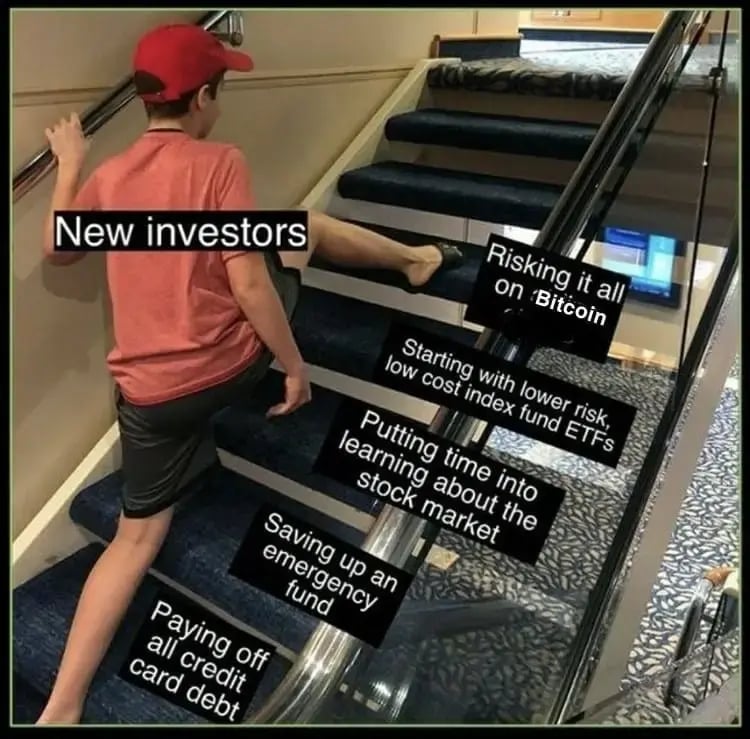
Most people jump straight into investing without first asking:
“What am I really working toward?”
That’s why I created the GAiM Plan — a simple but powerful system built for UAE residents.
Here’s how it works:
- GPS – Goal Positioning System – We determine where you are in terms of your money, and where you want to be in the future. We define what you want: home, retirement, kids’ education, financial freedom etc…
- Action Plan – We map out your income, expenses, net-worth, risk appetite, investment preferences and build an action plan.
- Implementation – We then implement the action plan efficiently and with confidence.
- Measure – Conduct regular reviews to monitor, and adjust as life and situations change.
This is not just done, once. It is an ongoing and evolving process
📊 Real Story: Mr. Example Sharma
Mr Sharma and his family lived in Dubai for 9 years. He had a few investments back home, and was planning to buy a second off-plan property here. But something didn’t feel right, so the approached me to understand how to go about this…
After walking through the GAiM Plan, he realized:
- He had not saved enough for retirement
- He was overexposed to property here and back home in India
- Had no critical illness protection
- His future cashflows could not fully fund this purchase
- And most importantly, this investment could impede other goals like children’s higher education, retirement and debt payments if it did not workout.
Today, he has a clear strategy.
He’s using the AccuWealth & the Infinity Wealth Plan models I built for him to build a diversified investment portfolio and passive income assets.
They put Mr Sharma track to retire in the UAE at age 60 — with peace of mind and a sense of control.
Your First Step: Know Your Numbers
Before you invest, it’s important to know how much you can invest. That’s why I created the Expat Advantage Budget (EAB) — a simple tool designed specifically for expats in the Gulf.
It helps you:
- See your income and expenses clearly
- Find your “investable surplus”
- Plan ahead in multiple currencies
- Stay consistent — even if life changes
Once you have clarity, building wealth becomes easier — and far less stressful.
Ready to Start Investing the Smart Way?
If you’re thinking about investments in Dubai, don’t start with property brochures or stock tips.
Start with a conversation.
In a free Discovery Call, we’ll walk through:
- Your life goals and financial priorities
- Your current savings and investment habits
- Your risk profile and income needs
- And how the GAiM Plan can help you build wealth, your way